A TOOL TO BUILD RELATIONSHIPS & RESILIENCE


Writing, Discussion, Storytelling, Collaborating, & Dreaming

Home
Obstacles
Overcoming
Dreaming
Roadblocks
Influences
Resilience
Future
Friendships
Understanding
Ideas
Beginnings
Discussion
Storytelling
Writing
Listening

Discussion

Writing

Group Sharing

Relationships & Resilience

Discussion

Writing

Group Sharing

Relationships & Resilience

Writing by hand engages deeper cognitive processing — slowing your brain down to encode meaning more deliberately than typing's automatic finger movements.

Sources:

  • Mueller, P. A., & Oppenheimer, D. M. (2014). The pen is mightier than the keyboard: Advantages of longhand over laptop note taking. Psychological Science, 25(6), 1159-1168.
  • James, K. H., & Engelhardt, L. (2012). The effects of handwriting experience on functional brain development in pre-literate children. Trends in Neuroscience and Education, 1(1), 32-42.
  • Mangen, A., Anda, L. G., Oxborough, G. H., & Brønnick, K. (2015). Handwriting versus keyboard writing: Effect on word recall. Journal of Writing Research, 7(2), 227-247.

Group discussion transforms individual reflection into shared meaning-making — where students hear their own struggles echoed in others' stories, realize they're not alone, and practice the vulnerable art of being known.

Sources:

  • Uri Hasson, Princeton University — Neural coupling research: shared narratives synchronize brain activity between speaker and listener, creating deep empathy and connection
  • Brené Brown, University of Houston — Vulnerability research: sharing struggles in safe spaces reduces shame and builds belonging
  • Harvard Center on the Developing Child — Serve and return interactions (including group dialogue) build the neural architecture for healthy development

Relationships are the primary buffer against adversity — when children have at least one stable, caring adult in their lives, they develop the resilience to overcome even severe trauma and rewrite their futures.

Sources:

  • Center on the Developing Child, Harvard University — “The single most common factor for children who develop resilience is at least one stable and committed relationship with a supportive parent, caregiver, or other adult.”
  • The ACE Study (Felitti & Anda, CDC-Kaiser) — Adverse Childhood Experiences research: strong relationships and social support significantly mitigate the long-term health impacts of childhood trauma
  • Dr. Robert Block, American Academy of Pediatrics — Adverse childhood experiences are “the single greatest unaddressed public health threat facing our nation today” — and relationships are the antidote

Recent Articles

Building Resilience and Hope in an Age of Unprecedented AnxietyResilience

Building Resilience and Hope in an Age of Unprecedented Anxiety

Read More
man writing on paper near book on table
Why Writing Your Story Is Healing: The Science Behind Narrative TherapyTrauma

Why Writing Your Story Is Healing: The Science Behind Narrative Therapy

Read More
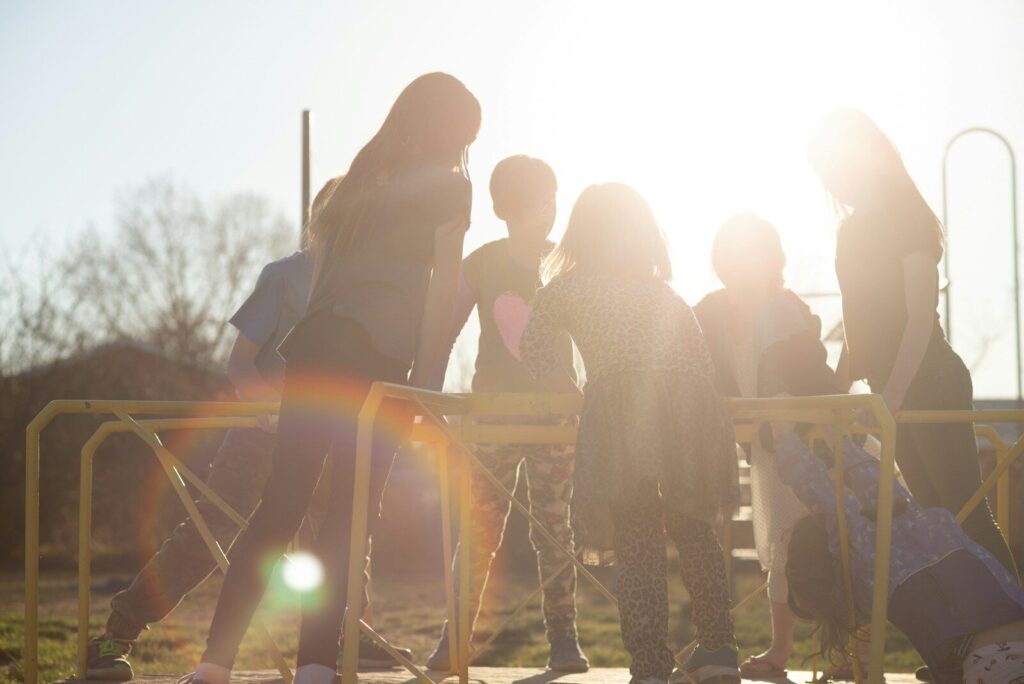
silhouette of people standing on brown wooden fence during sunset
One Caring Adult: The Single Most Powerful Factor Against AdversityTrauma

One Caring Adult: The Single Most Powerful Factor Against Adversity

Read More
a white brain on a black background
The Neuroscience of Listening: Why Being Heard Changes the BrainThe Brain

The Neuroscience of Listening: Why Being Heard Changes the Brain

Read More
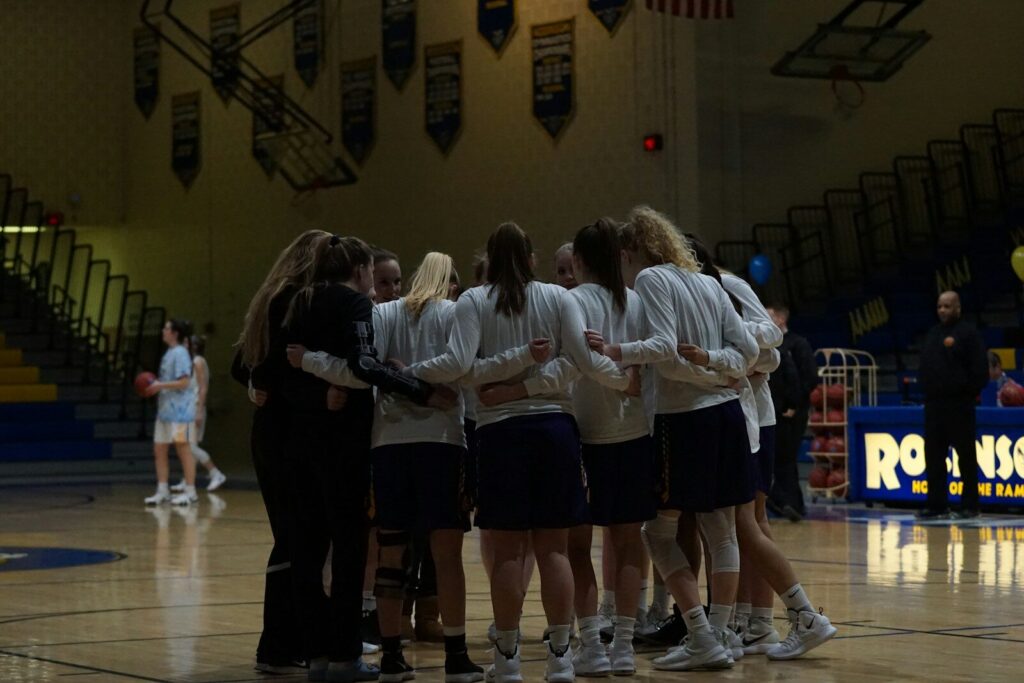
basketball team in middle of basketball court
Building Resilience in Children: Why This WorksResilience

Building Resilience in Children: Why This Works

Read More

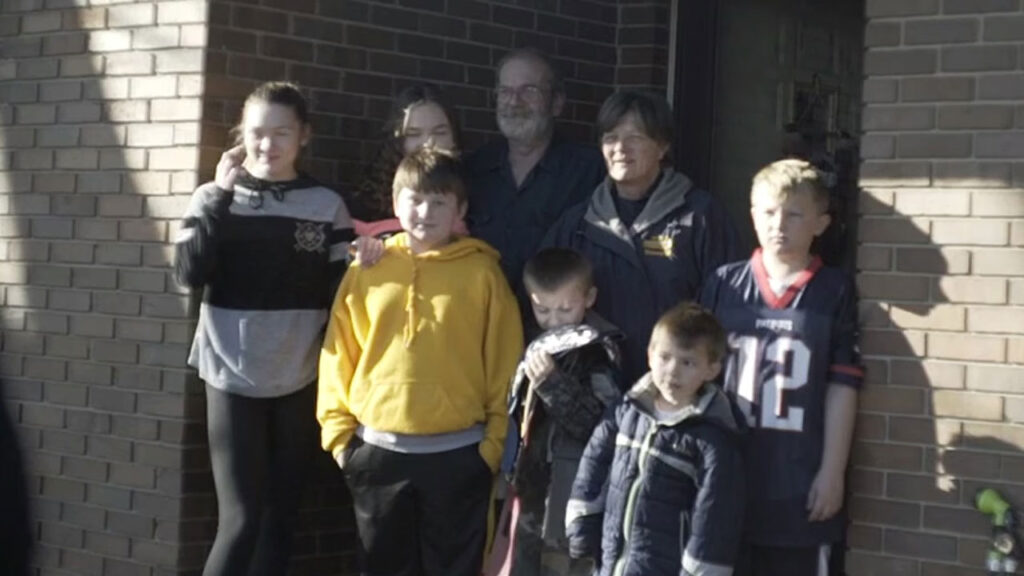
Discovery Group to new roof.

The Burton family.

Discovery Group to new roof.

The Burton family.

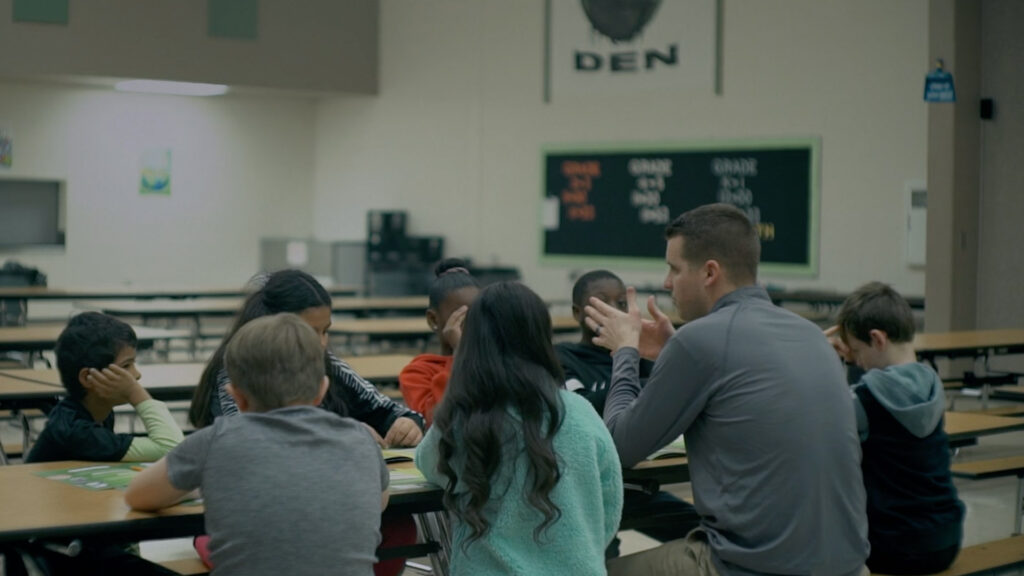
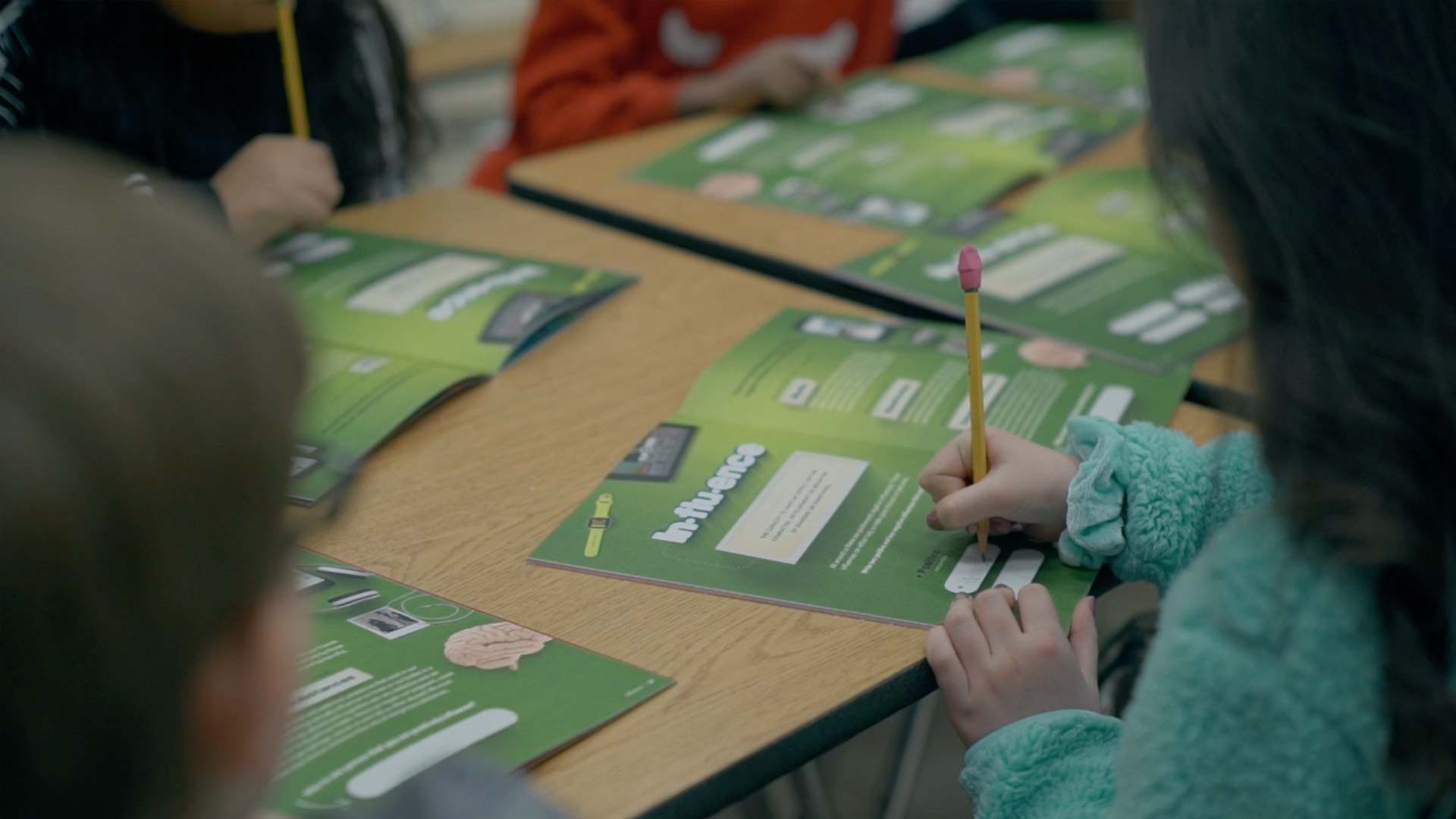
Each workbook has a writing and small group discussion component to go deeper.

Discovery group discussions.

Where relationships go deeper.

Discovery group discussions.

Where relationships go deeper.

A Discovery Group and deeper relationship that reveals a need and new roof. 

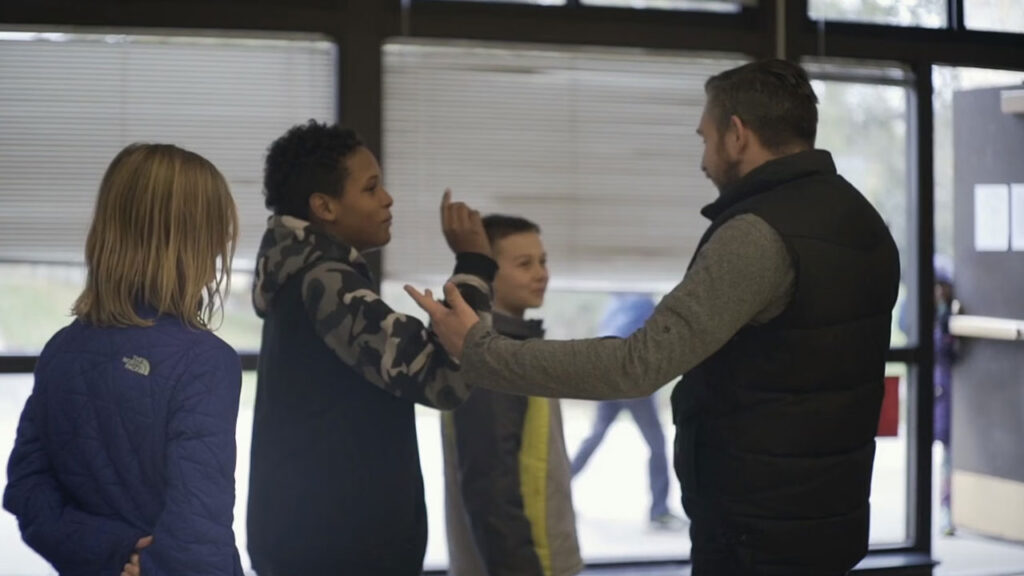
Mr. Heimer’s 4th grade.

Partnering in new ways.

Mr. Heimer’s 4th grade.

Partnering in new ways.

4th Grade case study and how Mr. Heimer built relationships in new ways. 

Workbooks as low as $12 each.

See Workbooks ➜       Pricing ➜
With bulk order discounts. Learn more and inquire today.

Book a Call!