Introduction: The Resilience Crisis Facing Our Children
Resilience — the ability to adapt and bounce back from adversity — isn’t just a personality trait children either have or don’t have. It’s a developable capacity that grows through experience, relationship, and intentional support. Yet today’s children face unprecedented challenges: rising rates of anxiety and depression, social isolation amplified by digital life, and what the American Academy of Pediatrics calls “the single greatest unaddressed public health threat facing our nation” — adverse childhood experiences (ACEs).
The question isn’t whether children need resilience-building support. The question is: what actually works?
This article examines the research foundation behind social-emotional learning (SEL) programs and explains why relationship-first tools like the Rewriting Futures Discovery Series are uniquely positioned to build lasting resilience in students from elementary through high school.
What the Research Says: Resilience Is Built, Not Born
The Science of Adverse Childhood Experiences (ACEs)
The landmark CDC-Kaiser Permanente Adverse Childhood Experiences Study (1995-1997) surveyed over 17,000 adults and found that childhood trauma — including abuse, neglect, household dysfunction, and parental substance abuse — has profound, lasting effects on physical and mental health, educational achievement, and life outcomes[^1].
Key findings:
- 67% of adults reported at least one ACE
- 12.6% experienced four or more ACEs
- ACEs are linked to increased risk of heart disease, diabetes, depression, substance abuse, and early death
- The more ACEs a child experiences, the higher their risk — but protective factors can interrupt this trajectory
The Power of Protective Relationships
Harvard’s Center on the Developing Child has spent decades studying what helps children overcome adversity. Their conclusion: “The single most common factor for children who develop resilience is at least one stable and committed relationship with a supportive parent, caregiver, or other adult.”[^2]
This isn’t abstract. Brain science shows that supportive relationships literally buffer the stress response system. When a child experiences stress with a caring adult present, their cortisol levels stabilize, neural pathways develop differently, and long-term health outcomes improve.
SEL Programs Work — When They’re Relational
A 2011 meta-analysis of 213 school-based SEL programs involving 270,034 students found that students who participated in SEL programs showed[^3]:
- 11-percentile-point gain in academic achievement
- Improved social skills and attitudes
- Reduced emotional distress and behavioral problems
- Long-term benefits extending years beyond the program
But here’s the catch: not all SEL programs are created equal. Programs that prioritize relationship-building over curriculum delivery consistently outperform those that treat SEL as a checklist.
Why Rewriting Futures Works: The Theory of Change
Josh, the Discovery Series was intentionally designed around a simple but powerful insight:
“The true success point of this program is not the books or groups — it’s the relationships that are formed and the opportunities for students to be vulnerable for a moment and share difficulties.”
Here’s why that matters.
1. Consistency: The Same Caring Adult, Week After Week
Research from Big Brothers Big Sisters shows that mentoring relationships work best when they’re consistent and long-term. Children who meet regularly with the same mentor for at least one year show significant improvements in academic performance, social competence, and reduced substance use[^4].
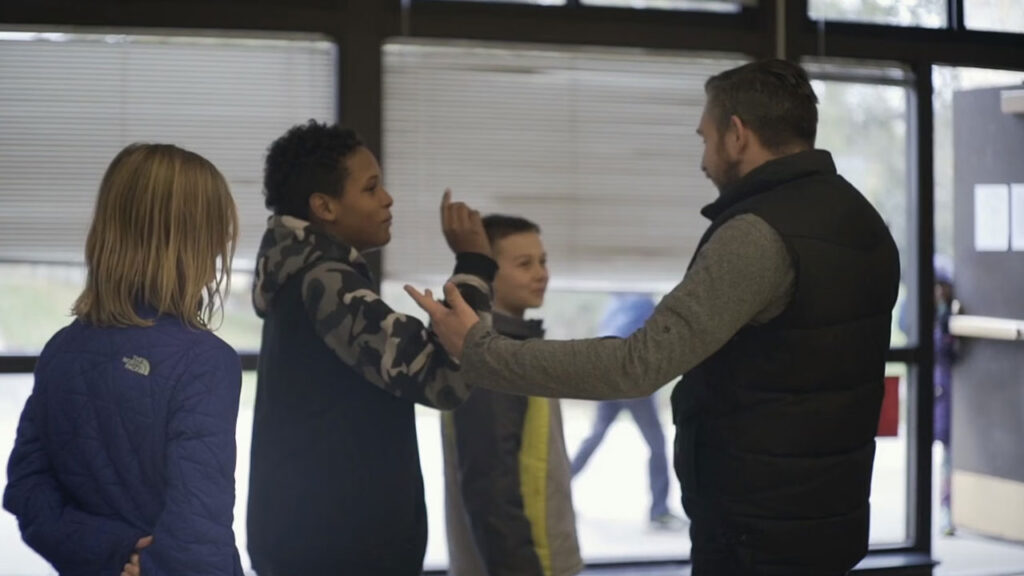
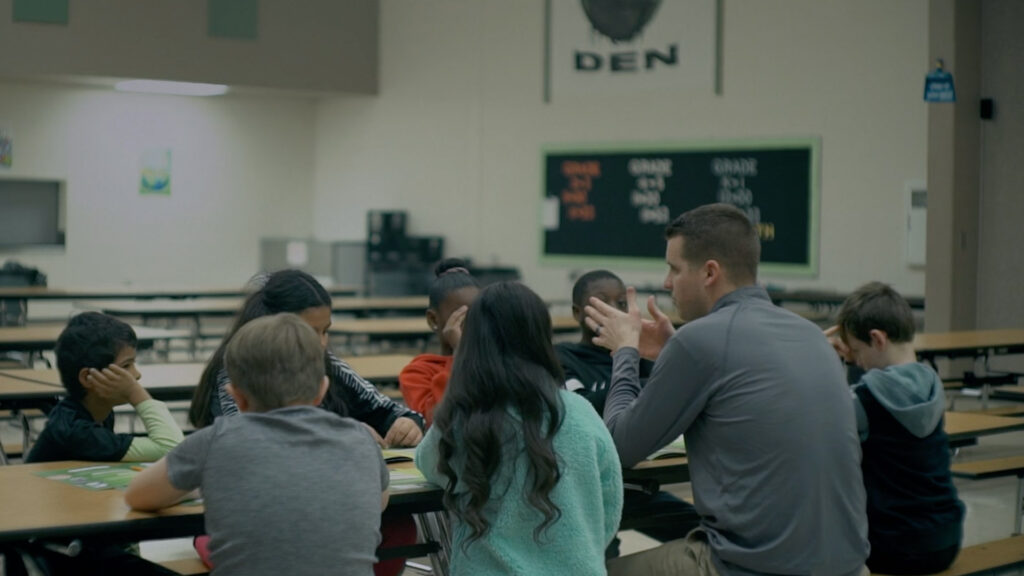
The Discovery Series mirrors this structure: 7 consecutive sessions with the same Discovery Guide (teacher, mentor, or coach), creating a safe container where trust can build quickly.
2. Vulnerability Creates Connection
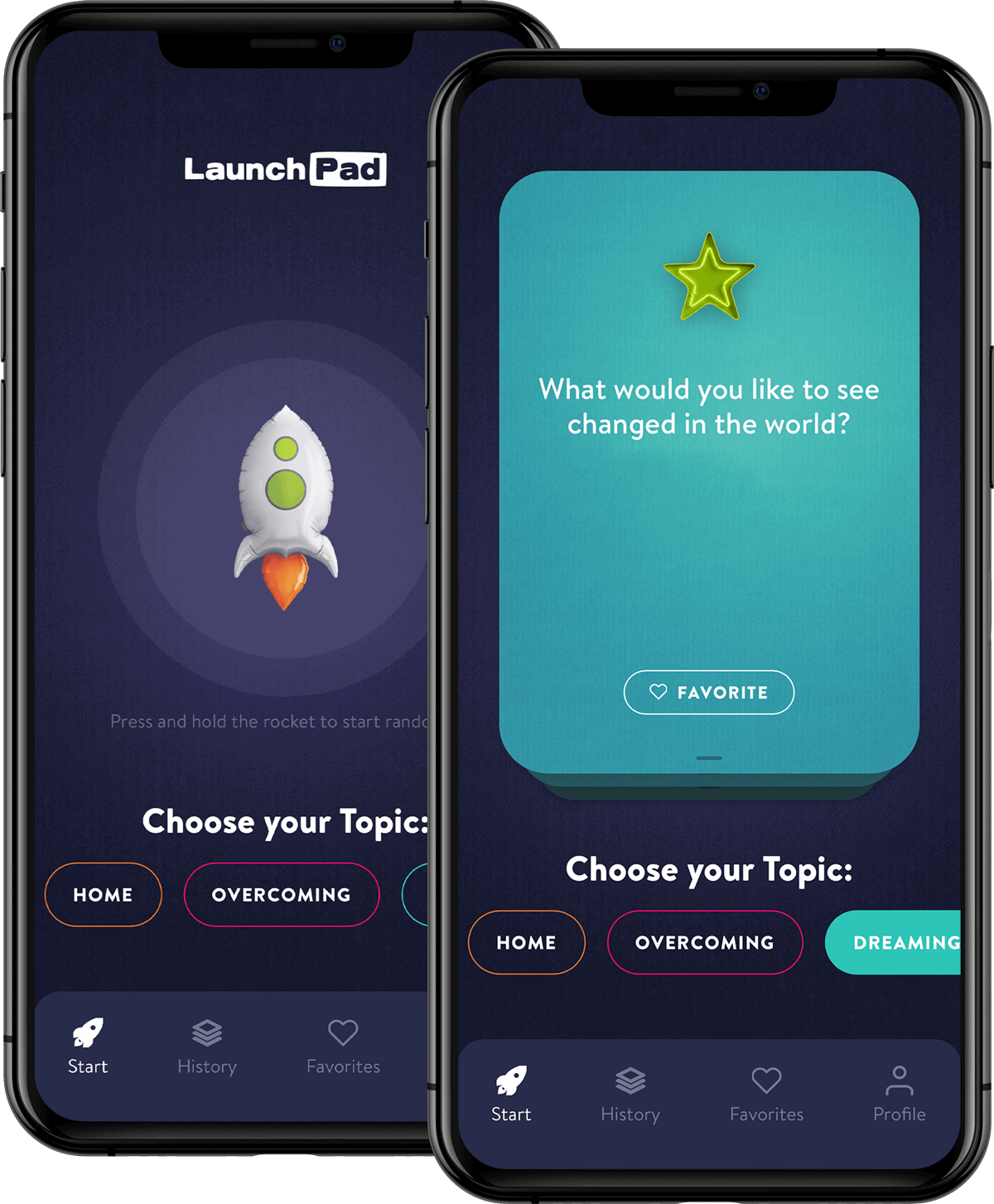
Dr. Brené Brown’s research on vulnerability shows that connection happens when people are willing to be seen — truly seen — by others[^5]. The Discovery Series curriculum structurally invites vulnerability through carefully sequenced prompts:
- Session 1-2: Life at Home — students share about their family, environment, and background
- Session 3-5: Identifying Difficulties — students name what they’re facing and begin problem-solving
- Session 6-7: Goal-Setting & Dreaming — students articulate what they want for their future and what might stand in the way
This isn’t therapy. It’s guided self-disclosure in a relationally safe space — and it works because the Discovery Guide isn’t a distant authority figure; they’re a consistent, caring presence.
3. Early Identification + Early Intervention
One of the hidden strengths of the Discovery Series is that it surfaces struggles early — before they become crises. When a student writes about a difficult home situation, substance use in the family, or feelings of isolation, the Discovery Guide can respond immediately with appropriate support, connection to resources, or follow-up conversations.
The CDC estimates that preventing ACEs could reduce depression by 44%, alcoholism by 24%, and suicide attempts by 53%[^6]. Early relational intervention is prevention.
4. Asset-Based, Not Deficit-Based
Too many interventions for “at-risk” youth focus on what’s missing or broken. The Discovery Series flips the script: every child has a story, every child has dreams, every child has strengths. The curriculum helps students name their assets, imagine their future, and identify the obstacles — with a caring adult walking alongside them.
This aligns with the Positive Youth Development (PYD) framework, which has been shown to improve academic outcomes, reduce risk behaviors, and increase civic engagement[^7].
Real-World Evidence: Who’s Using It and What They’re Seeing
The Discovery Series is being used by:
- Big Brothers Big Sisters chapters as a structured mentoring tool
- Community In Schools coordinators working with high-need students
- 4th grade teachers integrating SEL into their classroom routines
- After-school program leaders at youth centers and community organizations
- Coaches and youth workers building team culture and individual connection
Sample Outcomes (from rewritingfutures.com testimonials):
- Teachers report stronger relationships with students — “I learned things about my students I never would have known otherwise”
- Mentors describe accelerated trust-building — “It gave us a roadmap for going deep, faster”
- Students report feeling heard and understood — “This was the first time an adult really listened to me”
- Administrators note early identification of at-risk students and faster referral to support services
(Note: Formal longitudinal outcome studies are in progress with partner sites.)
Why This Matters for Schools, Youth Programs, and Mentors
The ROI of Prevention
Treating the downstream consequences of childhood adversity — addiction treatment, mental health services, incarceration, healthcare costs — runs into hundreds of billions of dollars annually in the U.S. alone.
By contrast, the cost of equipping a teacher, mentor, or coach with a relational SEL tool like the Discovery Series is minimal. As Josh Shipp says: “Every kid is one caring adult away from being a success story.”
That’s not hyperbole. That’s evidence.
The Simplicity Advantage
Many SEL programs require extensive training, certification, ongoing coaching, and complex implementation. The Discovery Series is designed to be immediately usable by anyone who cares about kids — teachers, mentors, coaches, counselors, youth workers.
You don’t need to be a therapist. You just need to show up consistently, ask good questions, and listen deeply. The curriculum provides the structure. The relationship does the work.
Conclusion: Resilience Is Relational
You can’t change the past. But you can rewrite the future.
That’s the conviction behind Rewriting Futures — and it’s grounded in decades of research showing that resilience is built in relationship. ACEs don’t have to define a child’s trajectory. One caring adult, showing up consistently and creating space for a child to be seen, heard, and supported, can change everything.
The Discovery Series isn’t magic. It’s a research-informed, relationship-first tool that creates the conditions for resilience to grow. And in a world where adverse childhood experiences are epidemic, that’s exactly what our children need.
References
[^1]: Felitti, V. J., et al. (1998). “Relationship of Childhood Abuse and Household Dysfunction to Many of the Leading Causes of Death in Adults: The Adverse Childhood Experiences (ACE) Study.” American Journal of Preventive Medicine, 14(4), 245-258.
[^2]: Harvard Center on the Developing Child. “Resilience.” Retrieved from developingchild.harvard.edu
[^3]: Durlak, J. A., et al. (2011). “The Impact of Enhancing Students’ Social and Emotional Learning: A Meta-Analysis of School-Based Universal Interventions.” Child Development, 82(1), 405-432.
[^4]: Tierney, J. P., Grossman, J. B., & Resch, N. L. (2000). Making a Difference: An Impact Study of Big Brothers Big Sisters. Public/Private Ventures.
[^5]: Brown, B. (2012). Daring Greatly: How the Courage to Be Vulnerable Transforms the Way We Live, Love, Parent, and Lead. Gotham Books.
[^6]: Centers for Disease Control and Prevention. “Preventing Adverse Childhood Experiences.” Retrieved from cdc.gov/violenceprevention/aces
[^7]: Lerner, R. M., et al. (2005). “Positive Youth Development, Participation in Community Youth Development Programs, and Community Contributions of Fifth-Grade Adolescents.” Journal of Early Adolescence, 25(1), 17-71.